News and updates for residents, leaseholders and directors of the developments we manage.
Welcome to our winter newsletter.
Since our June update the rules around leasehold, building safety and renting have kept moving, and several changes now affect the people we work for. This issue sets out what is changing and what, if anything, you need to do. It also covers the new inspection and monitoring work we are bringing to your buildings, the people behind it, and our first team beach clean. We are also introducing two regular features: Directors' Corner, and a look behind the scenes at the work we do on your development.
The team at Plymouth Block Management
Important changes
What is changing this winter
Four changes stand out this season. One affects how firms like ours are run, one affects every leaseholder who lets their flat, one affects how fire safety work is carried out in taller buildings, and one brings greater transparency over service charges and building costs. Here is what each means in practice.
01
For everyone
Regulation of managing agents is coming
On 29 September 2026 the government announced that property agents in England, including managing agents like PBM, will be independently regulated for the first time. Under the plans:
agents will need a licence and suitable qualifications to operate
a new regulator will set codes of practice on conduct and complaints handling
the regulator will be able to withdraw a licence from firms that fall short
The details and timetable have not yet been published, and new legislation is needed before any of this takes effect. Separately, the Building Safety Regulator became an independent body in its own right in January 2026, having previously sat within the Health and Safety Executive.
Source: GOV.UK, "Government goes further to protect leaseholders", 29 September 2026.
02
For leaseholders who let their flat
Letting your flat? You will need to register
The Renters' Rights Act 2025 is changing the rules for private landlords, and that includes leaseholders who rent out their flat. Since 1 May 2026 section 21 "no fault" evictions have ended and private tenancies have become periodic tenancies.
The next step is a national register. Landlords will have to register themselves, and each property they let, on a new government website. It opens region by region:
South West (including Plymouth and Devon): registration required from 15 August 2027, with a deadline of 14 November 2027
Fee: £65 per property per year
You will need: tenancy and rent details, your gas safety, electrical (EICR) and EPC records, and the contact details of your building's managing agent
Penalties: councils can fine landlords up to £7,000 for letting or advertising an unregistered property
These dates are subject to Parliament approving the regulations, which were laid in September 2026. The government is also consulting until 18 December 2026 on extending Awaab's Law, which sets time limits for dealing with damp and mould, to privately rented homes.
Sources: GOV.UK Renters' Rights Act implementation roadmap; GOV.UK, 9 September 2026; draft Private Rented Sector Database Regulations 2026.
03
For directors and freeholders
Fire risk assessment works and the Building Safety Regulator
A fire risk assessment (FRA) often recommends remedial work: replacing a fire door, upgrading fire stopping, improving compartmentation. How that work is carried out now depends on the height of the building.
Higher-risk buildings (18 metres or more, or at least seven storeys, with two or more homes) are regulated by the Building Safety Regulator. In these buildings:
most building work, including many FRA remedial works, needs approval from the Building Safety Regulator before it starts. Only genuinely urgent repairs can go ahead first
certain safety occurrences must be reported to the Regulator within strict time limits
building information, the "golden thread", must be kept up to date as works are done
This approval stage adds time, so works in these buildings are planned further ahead. Our dedicated High-Rise Safety Team, introduced in June, manages this process for the taller buildings in our care.
In all blocks of flats, whatever their height, the full fire risk assessment must be recorded and residents must be given clear fire safety information. Buildings of 11 metres and above also need communal fire doors checked every three months and flat entrance doors checked every year.
Also new: on 14 October 2026 the government introduced the Remediation Bill. If passed, it will place a legal duty on landlords to fix unsafe cladding on residential buildings of 11 metres or five storeys and above, with external wall assessments and published remediation plans to set deadlines.
Sources: GOV.UK guidance on higher-risk buildings, mandatory occurrence reporting and the Fire Safety (England) Regulations 2022; GOV.UK guide to the Remediation Bill, 14 October 2026.
04
For leaseholders, directors and freeholders
Leasehold reform: greater transparency for leaseholders
The Government is continuing to introduce changes under the Leasehold and Freehold Reform Act 2024, with further provisions due to take effect during 2027.
These changes are intended to strengthen leaseholder protections and improve transparency around service charges, insurance costs, administration charges and the information available to leaseholders. The implementation timetable includes:
April 2027: further rights relating to service charge information, future service charge demands and litigation costs
November 2027: further provisions relating to service charge demands, annual accounts and reporting, and insurance costs and information
The changes are being introduced in stages, and further regulations will provide the detailed requirements.
For leaseholders, the changes are intended to improve access to information and transparency over the costs associated with managing their buildings.
For directors and freeholders, it will be important to understand the new requirements and ensure that appropriate records, financial information and reporting arrangements are in place.
Source: Leasehold and Freehold Reform Act 2024 and its commencement regulations, made October 2026.
Your money
Understanding your service charge: where does your money go?
We appreciate that service charges are an important consideration for leaseholders and that understanding how building expenditure is managed is essential.
Service charges contribute towards the day-to-day running, maintenance, repair and management of communal areas and shared facilities. Depending on your lease and the arrangements for your development, this can include:
Cleaning, gardening and grounds maintenance
Electricity and lighting in communal areas
Buildings insurance
Lift servicing and maintenance
Fire safety inspections and maintenance
Repairs to roofs, gutters and communal structures
Management and administration costs
Planning for future expenditure. We encourage directors and leaseholders to consider the importance of long-term maintenance planning and appropriate reserve funds, where permitted by the lease. Planning ahead can help reduce the likelihood of unexpected financial pressures when significant works become necessary.
Our aim is to provide clear information about proposed expenditure, explain why works are necessary and keep the relevant parties informed throughout the process.
Directors' Corner
Good governance and looking after your development
Being a director of a Residents' Management Company (RMC) or Right to Manage (RTM) company carries important responsibilities.
Although the day-to-day management may be delegated to a managing agent, directors remain responsible for the governance of their company and should ensure that appropriate decisions, records and oversight arrangements are maintained. We encourage directors to regularly review:
Their company's statutory obligations and Companies House filings
Annual budgets, service charge expenditure and financial reporting
Buildings insurance and renewal arrangements
Planned maintenance and future major works
Fire safety compliance and outstanding risk assessment recommendations
Contractor performance and maintenance arrangements
At Plymouth Block Management, we work alongside directors to help them understand their responsibilities, make informed decisions and protect the long-term interests of their developments.
Looking after your building
Drone roof inspections
In June we announced a roof survey programme across the buildings we manage. We are now carrying out those surveys by drone.
Buildings insurers increasingly ask for evidence that a roof has been inspected and maintained before they will pay a storm damage claim. A drone survey gives that evidence quickly and safely:
No scaffolding or roof access, so no disruption to residents and no working at height
Close-up photographs and video of slates, flashings, gutters, chimneys and flat roof coverings
A dated record for each building, ready to share with insurers if a claim is ever made
Early warning of small defects before winter weather turns them into leaks
As we said in June, we recommend every roof is surveyed at least every three years; the cost is typically between £200 and £600 depending on the building, and is included in the service charge budget where it applies.
Fire safety
Fire door asset tagging and digital reporting
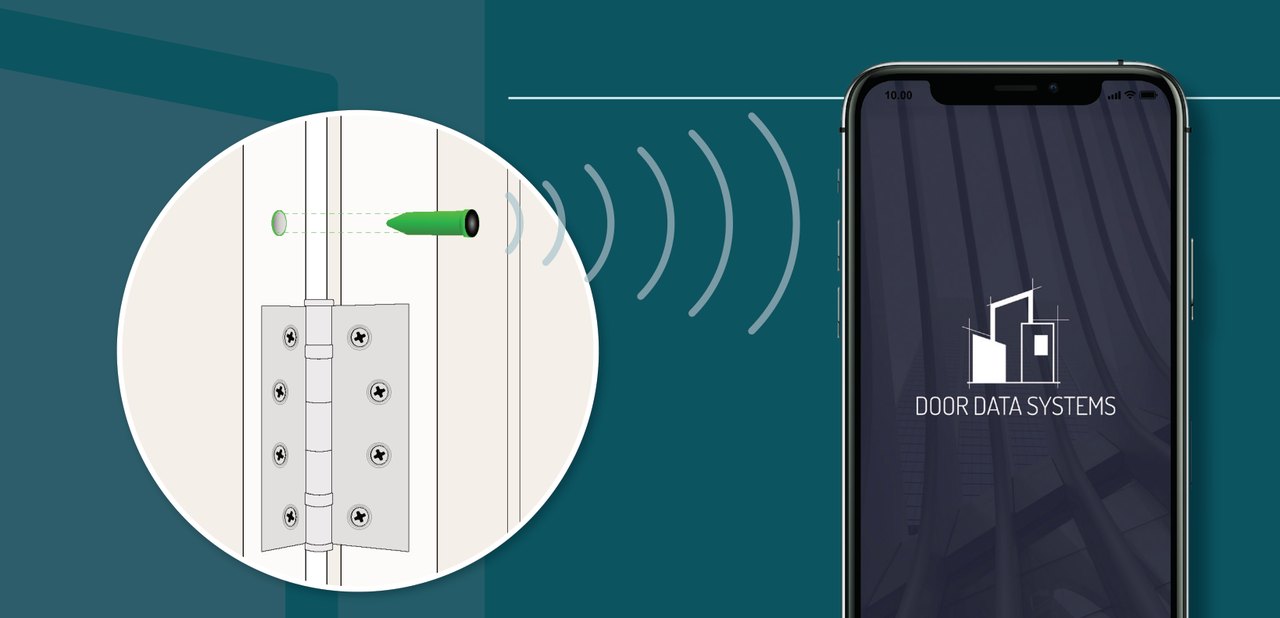
We are upgrading the way we inspect and record fire doors, using a system provided by Door Data Systems. Over the next few months our team will be visiting the buildings we manage to tag their fire doors.
Every door receives its own smart tag with an embedded NFC chip, the contactless technology used in bank cards. The tag gives the door a Unique Identification (UID) on the National Firedoor Register, a secure database built by Door Data Systems for everyone who installs, inspects and manages fire doors. There are two types of tag:
A small rigid plug fitted into the edge of the door, usually at manufacture or installation
A label applied when an existing door is surveyed, which needs no drilling. This is the usual choice on our visits, because the doors are already in place
Where a manufacturer has already fitted a Door Data Systems tag, our inspectors use it rather than adding another. Once a door is tagged, a simple scan brings up its records, from installation to every inspection and repair, so its history builds up in one place. The system also sends reminders when inspections and maintenance are coming up.
We are introducing a short traffic light questionnaire so that directors and residents can tell us, quickly and clearly, how things are at their building. Each question is answered with a colour:
Green: all good Nothing to report. This area is in good order.
Amber: keep an eye on it Not urgent, but something we should look at on our next visit.
Red: needs action A problem that needs attention now. We will contact you to arrange it.
The answers come straight to your property manager and build a picture of every building we manage, so we can put our time where it is needed most. It sits alongside the customer feedback text messages we introduced in June.
Technology
ResiSure environmental monitors
We have partnered with ResiSure to monitor the communal areas of buildings we manage. Small battery-powered sensors record temperature, humidity and indoor air quality and report weekly. They need no mains power and no building WiFi.
Damp and mould are usually reported once they can be seen. A dated record of the conditions shows what is really happening in the building and lets us act earlier.
Our new website is live, with resident support pages, FAQs, our policies and procedures, and clear routes to report a repair or contact your property manager.
We are also moving to version 2 of Resident, our resident portal, which gives you documents, notices and updates for your development in one place. We will let you know before the change.
The Property Institute (TPI) is the professional body for residential property management, and its qualifications are the industry standard for block managers. We are proud that members of our team have passed TPI exams this year.
Qualified, well-trained staff are at the heart of the service we provide, and we support everyone in the team who wants to study for them. Congratulations to all of them.
Sustainability
Team beach clean at Wembury
On Saturday 21 November the PBM team is heading to Wembury Beach for a team beach clean.
It is about more than picking up litter. It is a chance to make a positive contribution to the environment and to the local communities we work in, to spend time together as a team, and to put our sustainability programme into action. Wembury is a voluntary Marine Conservation Area within the Plymouth Sound and Estuaries Special Area of Conservation, and several of the developments we look after sit within sight of the sea, so keeping the coast clean, healthy and beautiful matters to our residents as much as it does to us.
When: Saturday 21 November 2026, 10am to 12pm
Where: Wembury Beach, Wembury, Plymouth PL9 0AU
Tide: predicted low water at Devonport about 8.40am, high water about 2.45pm
A little more about what we do behind the scenes. In each newsletter this section will round up buildings recently inspected, maintenance improvements completed, upcoming works, new compliance initiatives, staff achievements and qualifications, and our environmental and sustainability progress.
Here is this winter's round-up.
Buildings recently inspected: our drone roof surveys are under way across the buildings we manage, giving each roof a dated photographic record for insurers. Every development also receives an annual health and safety risk assessment, carried out by our own trained staff.
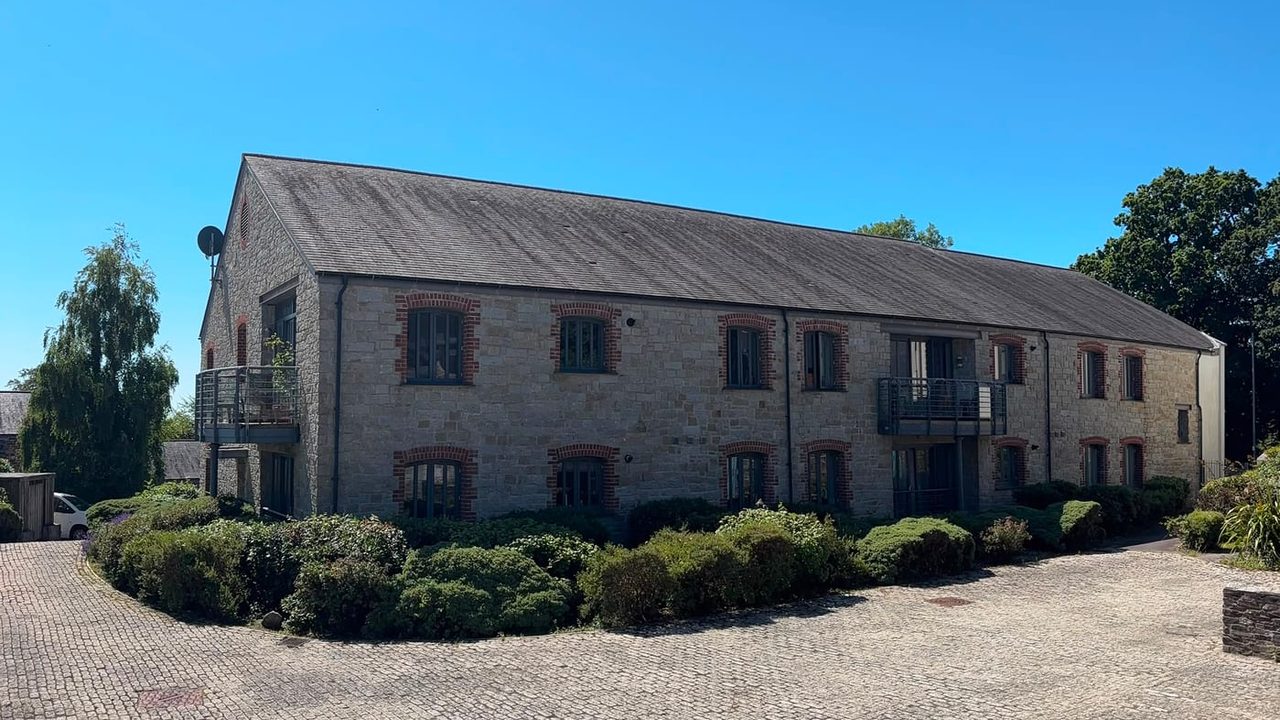
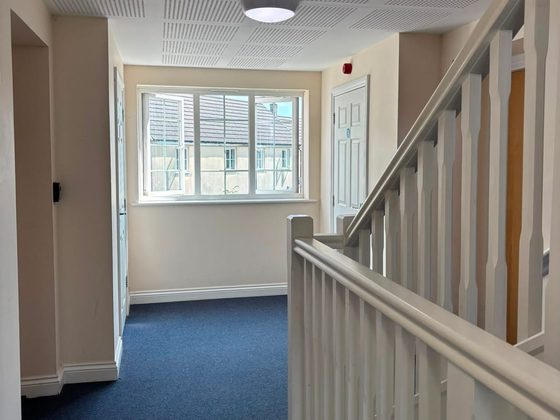
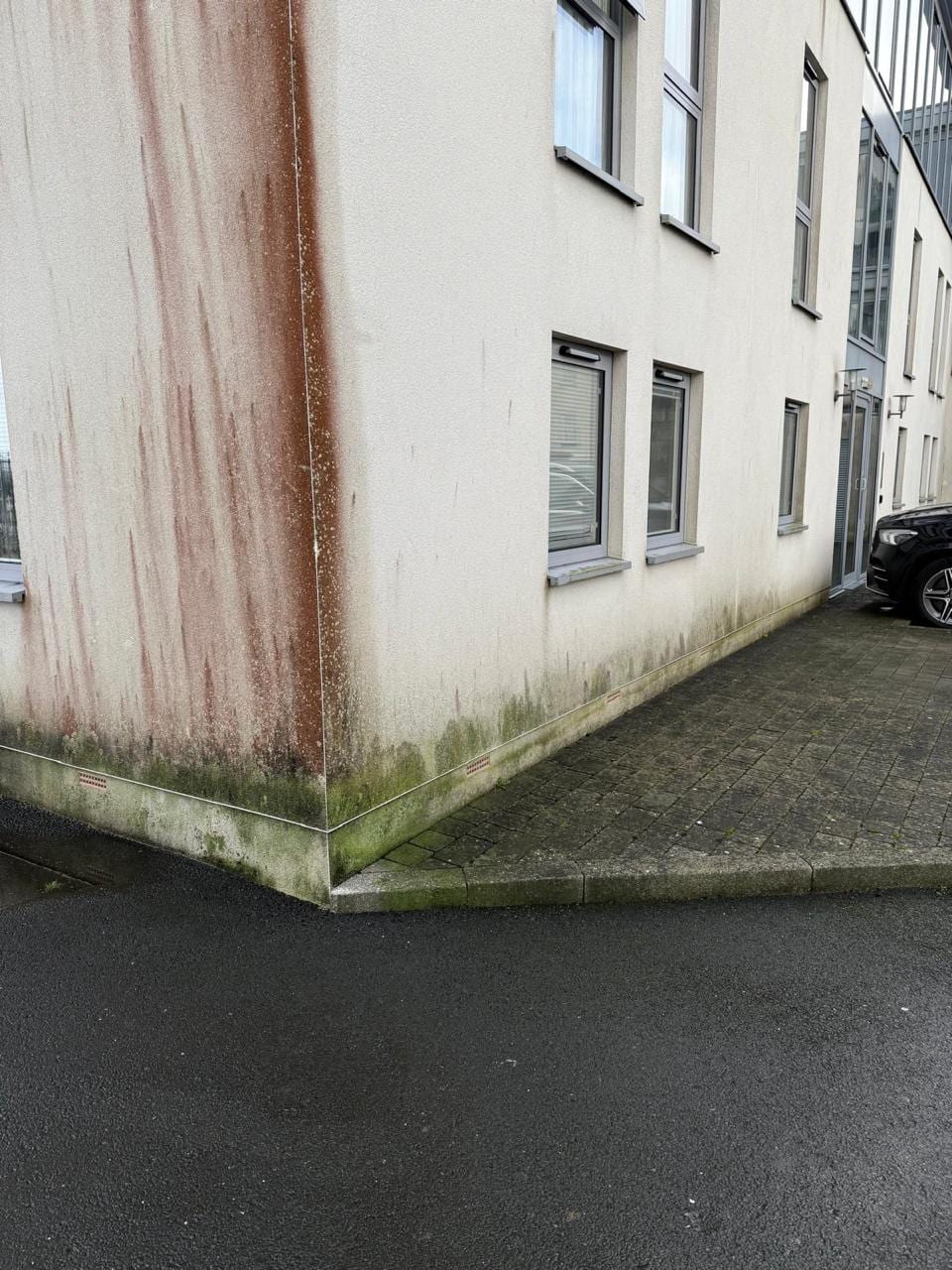
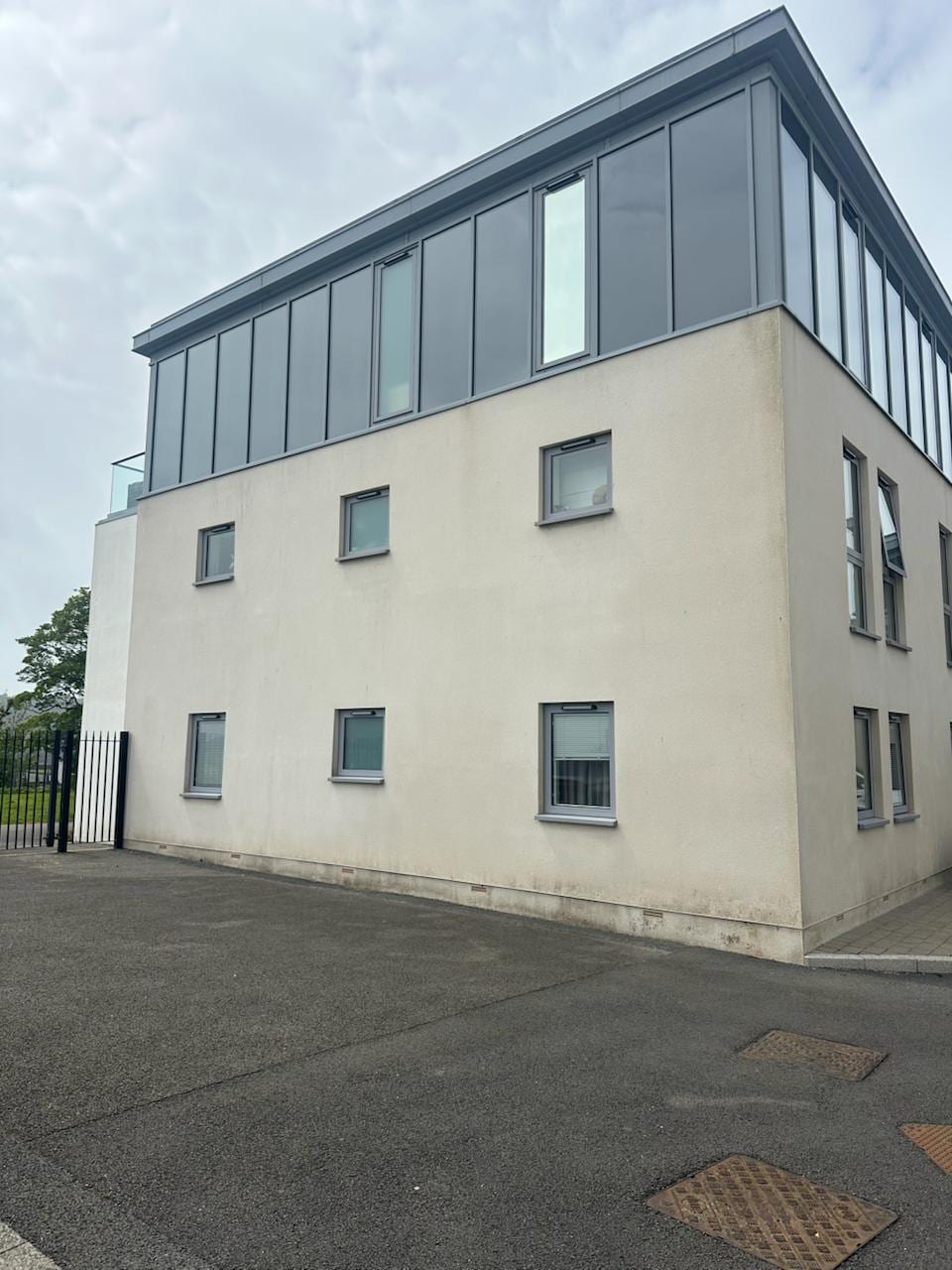
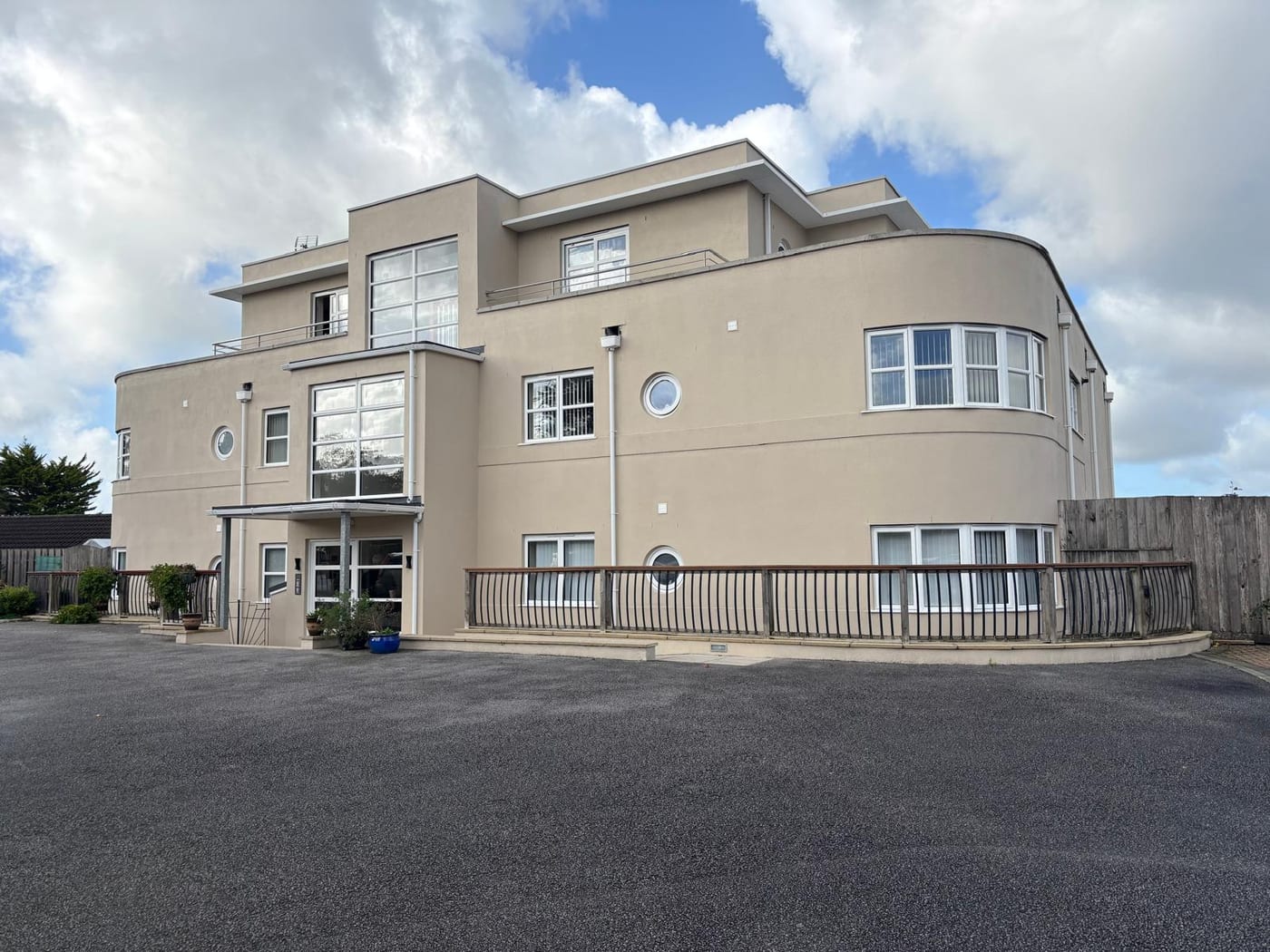
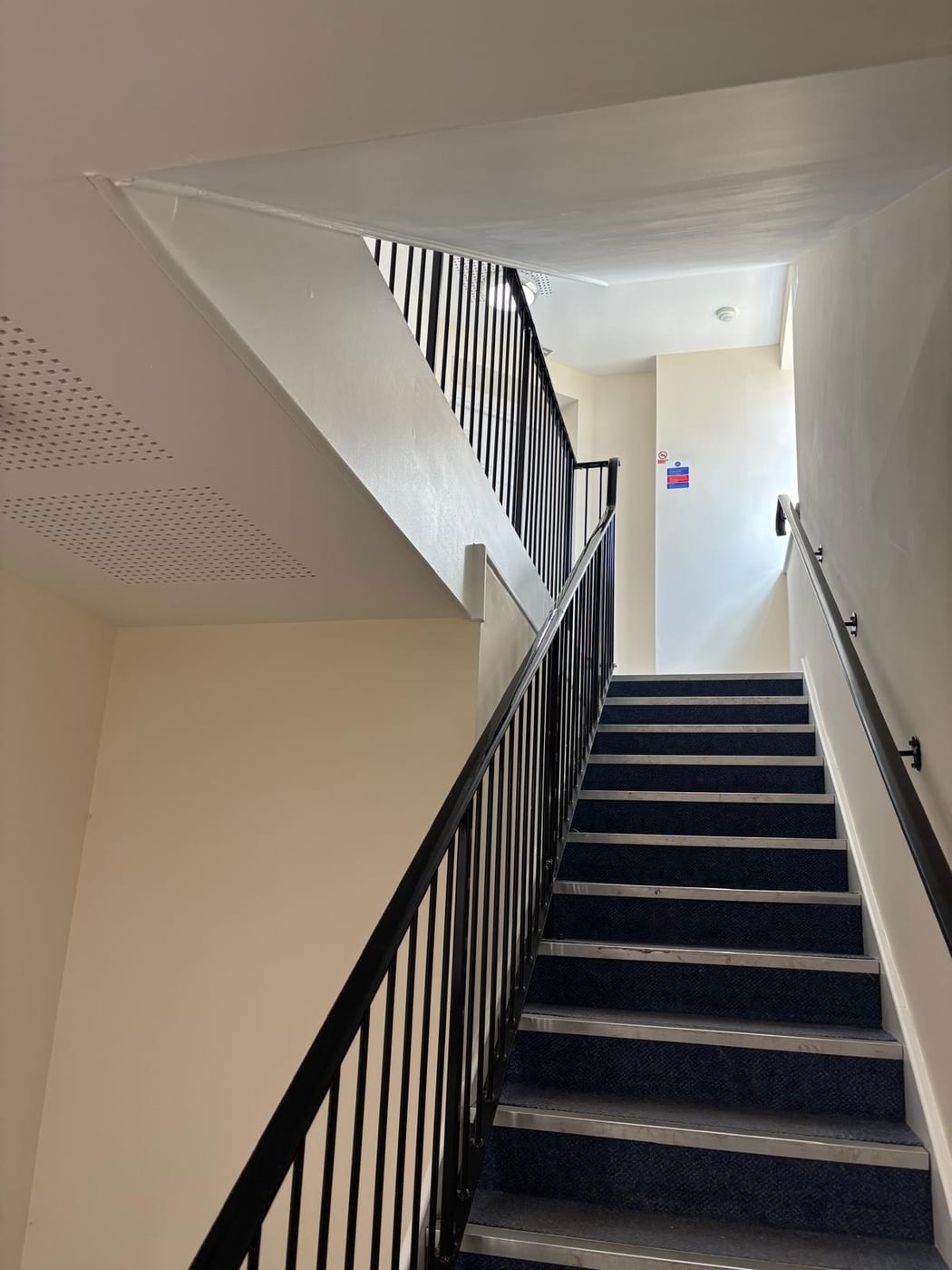
Maintenance improvements completed: the external render at Admiralty Row East, Mount Wise, has been cleaned; the exterior of Rialto Court in St Austell was repainted over the summer; the communal hallways and stairwells at Old Park Avenue in Exeter have been redecorated; and the shared walkways at The Gardens on Stuart Road, Plymouth, have been cleaned. Some of this work is pictured at the end of this section.
Upcoming works: over the next few months our team will be visiting buildings to tag their fire doors, and roof surveys continue for buildings that are due one. Your property manager will contact you before any visit to your building.
New compliance initiatives: fire door asset tagging and digital reporting with Door Data Systems, our traffic light questionnaire for directors and residents, and ResiSure environmental sensors monitoring temperature, humidity and air quality in communal areas.
Staff achievements and qualifications: members of our team have passed The Property Institute (TPI) exams this year, the industry standard qualifications for block managers.
Environmental and sustainability progress: our team beach clean at Wembury on Saturday 21 November, part of our sustainability programme.
Before
Admiralty Row East
The external render had become heavily stained.
After
Admiralty Row East
The same building after the render was cleaned.
Repainted
Rialto Court, St Austell
The exterior was repainted over the summer of 2026.
Redecorated
Old Park Avenue, Exeter
The communal hallways and stairwells were recently redecorated.
Seasonal
Your winter checklist
A few simple steps make a real difference to your home and your neighbours over the colder months.
Know where your stop tap is. If a pipe bursts, turning off the water quickly limits the damage to your flat and the ones below.
Keep a little heat on. If you are away, leave the heating on low to stop pipes freezing.
Report leaks straight away. Water travels. Call us as soon as you see signs of a leak, even a small one.
Let air in. Open trickle vents and use extractor fans to cut condensation, the most common cause of winter mould.
Keep communal areas clear. Bikes, prams and bags in hallways and stairwells block escape routes in a fire.
Close fire doors behind you. Never prop them open. A closed fire door holds back fire and smoke.
Check your contents insurance. The building's insurance covers the structure, not your own belongings.
Out of hours, our 24-hour emergency line is 01752 257338, then dial 0.
Thank you
We are here to help
Thank you to every resident, leaseholder and director for your continued support. If you have a question about anything in this newsletter, or about your building, please contact your property manager or call the office.
Our next newsletter will be the Spring 2027 edition.