We aim to provide high-value, comprehensive residential block
management services encompassing freehold, block, leasehold and residential property
management, driven by our commitment to transparency, compliance and accountability.
Right to Manage
Take control of your building
Learn how Right to Manage (RTM) works in the UK. Step-by-step process, benefits, costs, and expert support for leaseholders in Plymouth, Devon and nationwide.
Professional residential block management services in Plymouth and Devon, ensuring compliance, maintenance, resident support and value for your property investment.
The residential leasehold sector is unregulated, anyone can set up as a managing agent and start charging service charges without the relevant qualifications or experience. We operate to recognised professional standards, with RICS-aligned financial controls, ISO 9001:2015 quality management and strict client money protection, so you can appoint us with confidence.
Why Choose Us for Block Management in Plymouth, Devon, Cornwall & the South West?
Experience That Matters
Our team has extensive, real-world experience managing a wide range of residential blocks across Plymouth. We understand the challenges unique to coastal properties, older buildings, and modern developments.
Qualified Property Experts
Our managers are trained in UK property regulations and best practices, ensuring your building is managed efficiently and compliantly.
Recognised & Reliable
We work with trusted contractors, legal professionals, and industry bodies, reinforcing our reputation as a leading block management company in Plymouth.
Transparent & Accountable
No hidden fees, clear communication, and full financial transparency. Clients have access to detailed reports and responsive support at all times.
Cost-Effective Solutions
We understand the importance of maximising returns on your investment. Our team will work diligently to identify cost-saving opportunities and negotiate competitive contracts with trusted suppliers, helping you achieve the best possible value for your money.
Who We Work With
We provide block management in Plymouth for:
Freeholders
Resident Management Companies (RMCs)
Right to Manage (RTM) companies
Property developers
Landlords with multi-unit buildings
Local Knowledge of Plymouth
Being locally focused means we understand the Plymouth property landscape, from city-centre apartment blocks to coastal developments in surrounding areas. This allows us to:
Respond quickly to maintenance issues
Recommend reliable local contractors
Manage properties in line with local regulations and environmental factors
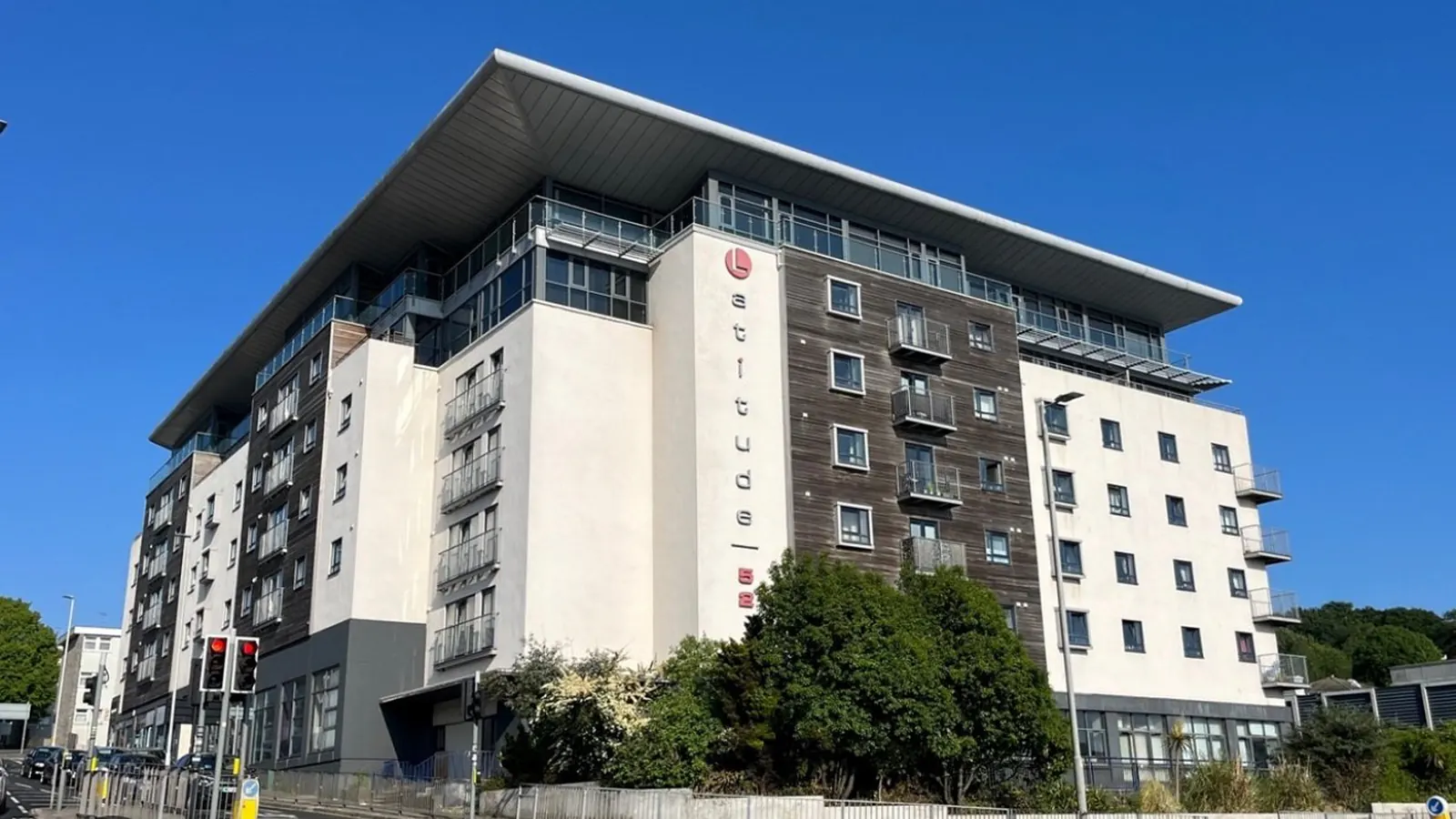
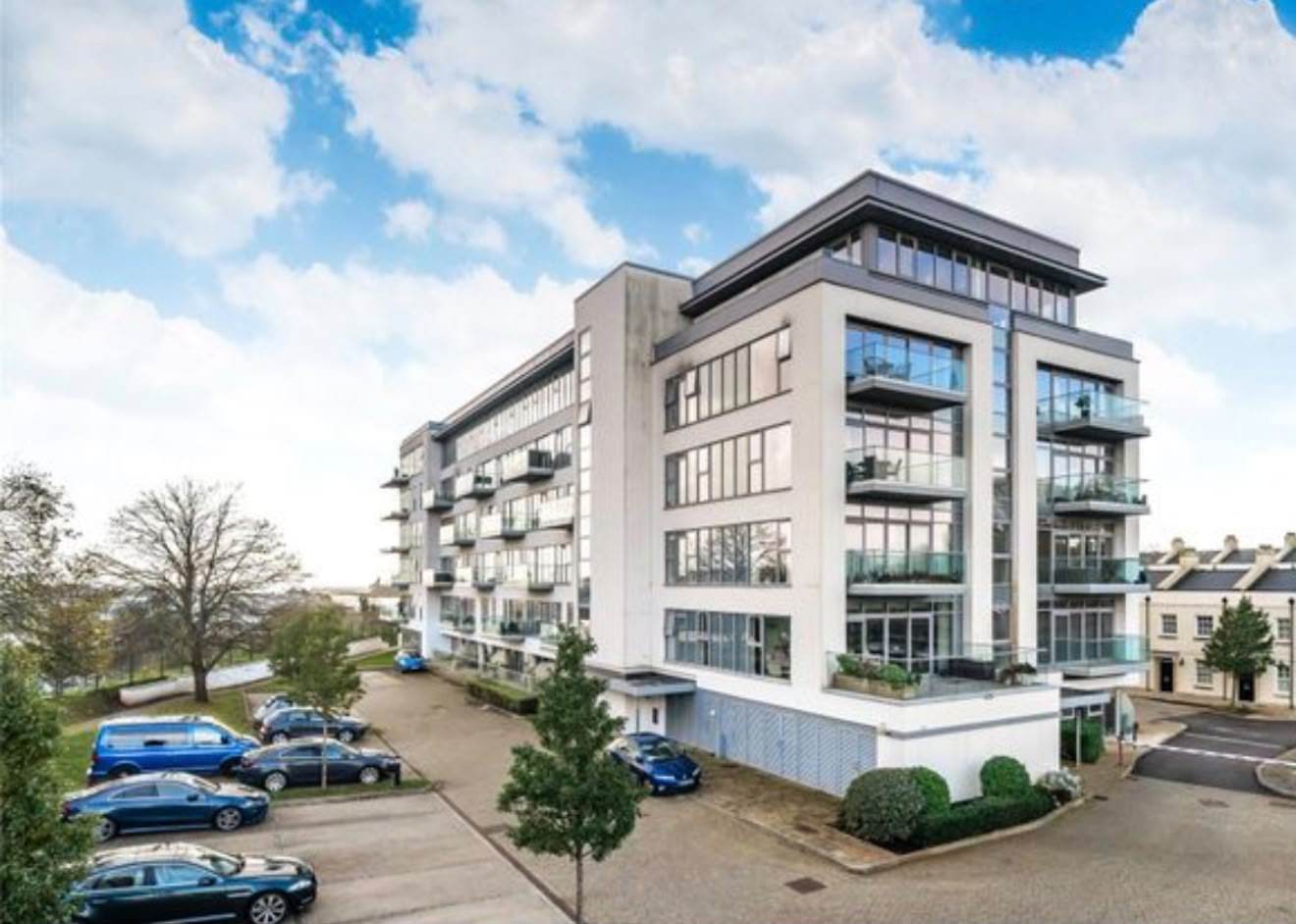
Leeward House
This month we’re featuring Leeward House, a striking
contemporary apartment development on Plymouth’s waterfront and one of the Right to Manage
buildings we’re proud to work with, a great example of leaseholders taking control of how
their building is run.
ARMA ACE Awards 2017, Smaller Managing Agent of the Year
ARMA ACE Awards 2018, Highly Commended
ARMA ACE Awards 2019, Medium Managing Agent of the Year
ARMA ACE Awards 2022, Managing Agent of the Year (1,000–5,000 Units)
ARMA ACE Awards 2023, Shortlisted
ACE Awards 2026, Shortlisted
Client Testimonials
On behalf of the Directors of Leeward House RTM, I am delighted to recommend Plymouth Block Management. From our very first discussions, Gary and Spencer provided invaluable support throughout the Right to Manage process, helping us navigate what could have been a complex transition with confidence and ease. Their planning and…
Chris, Director, Leeward House RTM
Dear PBM Team, I am writing to express my sincere appreciation and admiration for the remarkable improvements you have made since taking over the management of our block of flats at Alreiy Road. As a leaseholder, I have been thoroughly impressed with your actions and the transformation in our living environment. First and foremost, the…
Alreiy Road Paignton Devon
Dear Mr Christie and the PMB Team, I hope this message finds you well. I am writing to express my sincere gratitude for the exceptional service provided by Plymouth Block Management (PBM) during the recent cold snap. The thoughtful gritting that your team implemented did not go unnoticed, and the impact was felt not only by myself but by…
Some of the firms we work with across Plymouth, Devon and Cornwall. Contractors on our
approved list are vetted, insured and documented before they start work, and their paperwork
is re-checked every year.
Live in a building we manage? Log a maintenance issue through the resident portal and track
it through to resolution. For genuine out-of-hours emergencies, call
01752 257338 and dial zero.