Take control of your building with professional Right to Manage (RTM) support. Plymouth Block Management helps leaseholders in Plymouth, Devon and across the UK successfully take over property management through a compliant, structured, and stress-free process.
What Is Right to Manage?
Right to Manage (RTM) is a legal right in England and Wales that allows leaseholders to take over the management of their building without needing to prove fault by the landlord.
It was introduced under the Commonhold and Leasehold Reform Act 2002 and enables leaseholders to form a Right to Manage company and assume responsibility for managing their property.
With Right to Manage, leaseholders can:
- Choose their own managing agent
- Control service charges and budgets
- Improve maintenance and standards
- Gain full transparency over finances
How the Right to Manage Process Works
The Right to Manage process follows a defined legal structure:
- Confirm eligibility of the building
- Form a Right to Manage (RTM) company
- Serve a Notice Inviting Participation
- Serve a Claim Notice on the freeholder
- Receive the landlord’s Counter Notice
- Take over management on the acquisition date
Although the process is considered straightforward, legal criteria must be followed carefully to avoid delays or disputes.
What Are the Benefits and Responsibilities of Acquiring the Right to Manage?
Acquiring the Right To Manage gives those leaseholders who participate the right to take over the management of the building.
The benefits of acquiring the Right To manage are:
- The leaseholders acquire the right to set the service charge budget and manage the service charge and, if applicable, the reserve funds and maintaining suitable accounts of the same
- The leaseholders acquire the right to appoint or dismiss the Managing Agent
- The leaseholders acquire the right to appoint and dismiss contractors who provide services to the building such as builders and gardens
- The leaseholders acquire the right to choose the building insurance policy through a suitable third-party insurance broker
Of course as the saying goes, ‘with great power comes great responsibility’ and as such acquiring the Right To Manage does place certain responsibilities on the leaseholders:
- The leaseholders are responsible for the proper maintenance and upkeep of the building and associated grounds, if any
- The leaseholders are responsible for ensuring the building is correctly and sufficiently insured and must provide a copy of the insurance policy to the freeholder
- The leaseholders are responsible for ensuring all fire, health and safety requirements both under the lease and under the current legislation are met and enforced
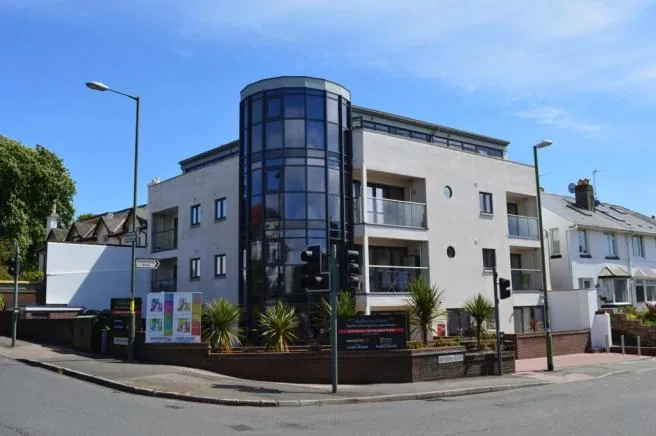
Do You Qualify for Right to Manage?
To qualify for Right to Manage in England and Wales:
- The building must contain at least two flats
- At least two-thirds of the flats must be held by qualifying tenants on long leases
- Qualifying tenants of at least half the flats must be members of the RTM company
- The building must be self-contained
- No more than 25% can be non-residential
- A long lease generally means one granted for more than 21 years
We can assess your building and confirm eligibility quickly.
Can the Freeholder Object to RTM?
In most cases, no, provided the process is followed correctly.
A freeholder can only object if:
- The building does not qualify
- The RTM company is not compliant
- Participation requirements are not met
Disputes are typically resolved via the First-tier Tribunal.
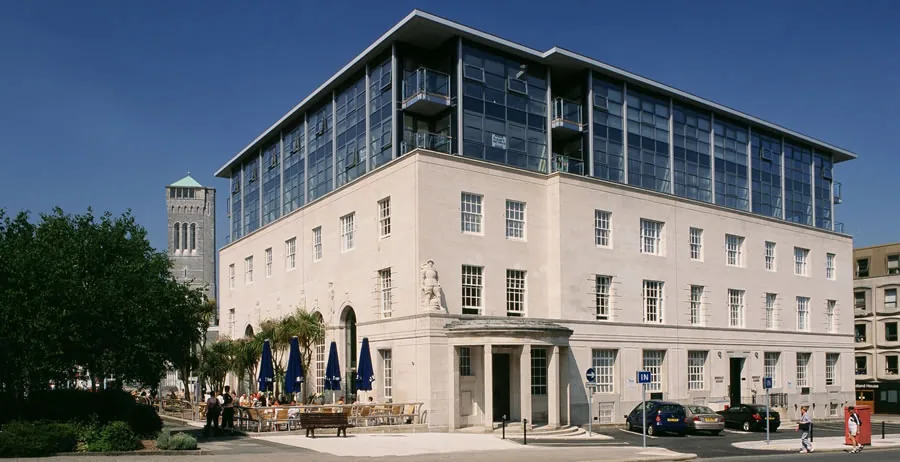
Our Right to Manage Services
Plymouth Block Management provides a complete RTM solution:
RTM Company Formation
We set up your Right to Manage company correctly.
Legal Notice Management
Preparation and service of all required legal notices.
Full Transition Support
We manage the handover from landlord to leaseholders.
Ongoing Block Management
Professional management after RTM is achieved.
Our team has successfully delivered RTM projects across Devon and Cornwall.
Why Leaseholders Choose Right to Manage
Real-world issues driving RTM include:
- Rising and unclear service charges
- Poor communication from managing agents
- Delayed repairs and maintenance
- Lack of transparency
RTM gives leaseholders control to fix these problems.
Right to Manage FAQs
Right to Manage is a legal process allowing leaseholders to take over building management without landlord consent.
How Long Does Right to Manage Take?
Typically 4–6 months depending on complexity.
Can a Landlord Refuse RTM?
Only if legal requirements are not met.
Do All Leaseholders Need to Agree?
No, only at least 50% participation is required.
Is Right to Manage Worth It?
Yes, many leaseholders achieve better control, lower costs, and improved service quality.
Start Your Right to Manage Journey
If you are considering Right to Manage in Plymouth, Devon or anywhere in the UK, our expert team can guide you through every stage.
Contact Plymouth Block Management today for advice and a free consultation.
What Right to Manage Costs
The claim itself is a fixed fee, published in advance: forming the RTM company, preparing and serving the claim, and a counter-notice where one is needed. Once the right is acquired, management is a separate fixed annual fee quoted for the building.
| Service | Fee |
|---|---|
| RTM company formation | £275.00 |
| RTM claim pack | £1,440.00 |
| RTM counter-claim notice | £210.00 |
| RMC or RTM membership application | £150.00 |
Taken from our published Additional Services price list, PBM Form #01-27 rev.6, effective 23 June 2025. All fees quoted are inclusive of VAT.
Get in Touch
Tell us about your building and we will come back to you on whether it qualifies, what the process involves and what it would cost. No obligation.
And What Changes Locally
The law is the same everywhere. The authority, the published figures and what the tribunal has actually decided are not. One page per place we have that for: