
On-Site Staff Management
Not every building should have on-site staff. Where one does, that provision is usually the largest single line in its budget, so it needs managing like any other major commitment.
What This Covers
- Recruitment, contracts and payroll handled for the management company
- A minimum of 30 hours' professional development a year for every member of staff
- IOSH-certified property managers, trained to NEBOSH standard at senior level
- The TUPE position established before a handover, not after
- Complaints and procedural failures reviewed by senior management monthly
The Team Is the Building's Front Door
In a development with on-site staff, those people are the service. A concierge is the first person a resident speaks to and the last person a visitor sees. Cleaning and grounds staff determine whether the building looks cared for or neglected on any given morning. Residents judge the management of a block through them long before they read a budget.
We manage those teams as an employer would: clear roles, defined operating procedures, written service standards and someone accountable for whether they are being met.
Recruitment, Payroll and the Administrative Load
Employing people at a development brings obligations that resident directors are rarely equipped to carry personally. We handle recruitment and appointment, contracts, payroll, and the employment and health and safety compliance that sits behind them, so the management company is not exposed through informal arrangements.
Where a development already has staff and management is transferring to us, arrangements are assessed individually. Depending on how the existing team is engaged, TUPE may or may not apply, and it needs to be established before a handover rather than after it.
Training and Competence
We run an in-house training programme and set a minimum professional development commitment of 30 hours a year for every member of staff within their respective field.
Health and safety competence is built rather than assumed. Our property management staff are trained in health and safety through approved external providers and hold the IOSH Certificate in Health and Safety. More senior staff are trained to NEBOSH standard and hold certificates in health and safety or fire safety depending on their role, which is what allows health and safety risk assessments to be carried out by our own trained people.
Oversight That Continues After Appointment
Performance is monitored rather than assumed. On-site teams work to defined procedures, are supervised against them, and additional staff visit sites as required to meet contractors and residents.
Where standards slip, complaints are handled through our formal complaints procedure, and the senior management team reviews causes of complaints and procedural failures as part of a monthly management review. That review loop is deliberately part of the system rather than an exception to it.
How On-Site Staff Appear in the Service Charge
Where a development employs people, the provision of on-site staff is one of the costs the service charge is designed to meet, alongside insurance, repairs and maintenance, communal utility supplies and maintenance contracts. It is normally among the largest single lines in the budget of a staffed building.
It is therefore budgeted, reported and apportioned like any other service charge cost, according to the lease, transfer or other governing documentation. Residents can see what the staffing provision costs and what it buys, which is the only basis on which directors can sensibly decide whether the level of service is the one they want to keep paying for.
Contributions are based on the obligations in the governing documents rather than on individual usage. That is why a resident who rarely passes the concierge desk still contributes to it, in the same way they contribute to a lift they may not use.
When a Building Does Not Need On-Site Staff
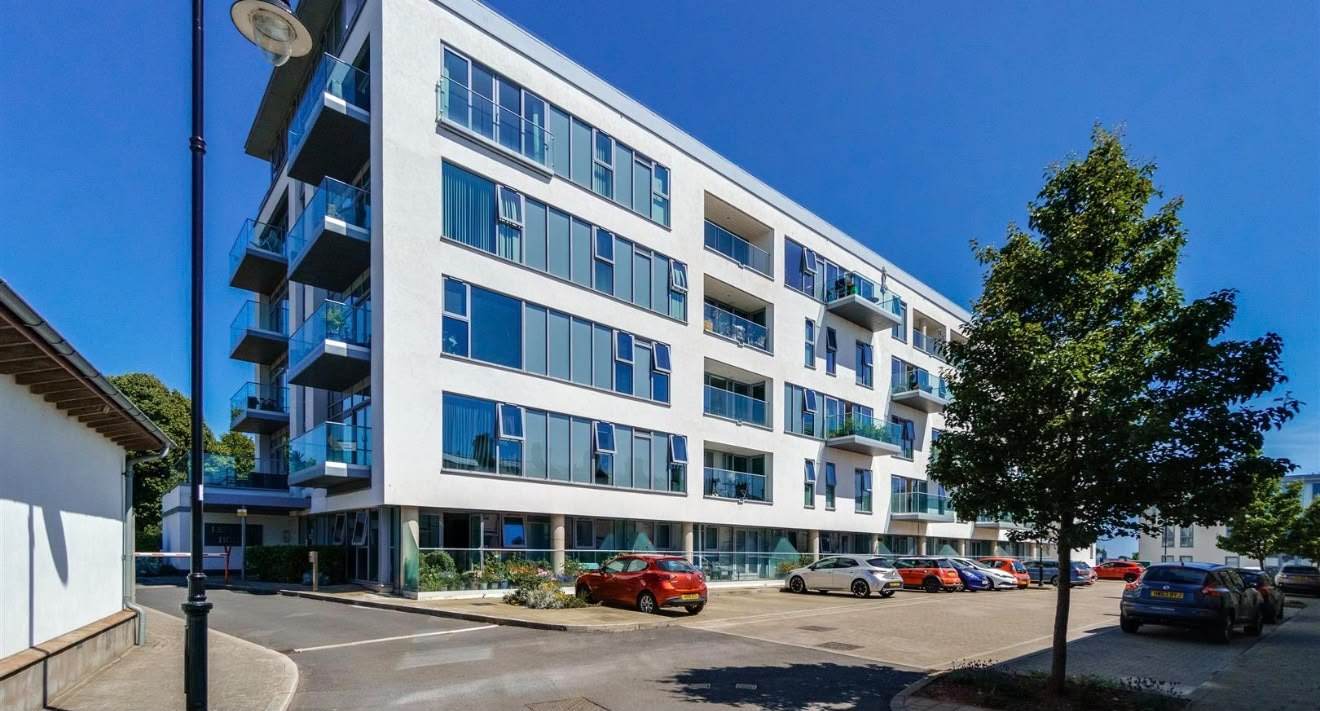
Plenty of the developments we manage have no on-site team at all, and should not have one. A block of eight or twelve flats is generally better served by a visiting property manager with contracted cleaning and grounds maintenance than by an employed presence it cannot justify funding.
We would rather say so than sell a staffing model that does not fit. Where a building is on the margin, the decision belongs to the directors, and our job is to set out honestly what each option costs to run and what it changes for residents.
Common Questions
What Does the Service Charge Pay for at a Staffed Development?
The service charge covers the annual cost of maintenance and management. Depending on the development that can include the provision of on-site staff, buildings insurance, communal utility supplies, cleaning, landscaping, general and mechanical maintenance, amenity management, reserve fund contributions and professional fees including the management fee. Your service charge budget and year-end accounts give the accurate breakdown for your building.
Why Am I Paying for a Service I Do Not Use?
Service charges are calculated and collected in accordance with your lease, transfer or other governing documentation, which sets out the costs property owners contribute towards. Shared services and facilities form part of the overall operation of the development, and contributions are generally based on those obligations rather than on individual usage or personal circumstances.
Related Services
Compliance & Health & Safety
An annual health and safety risk assessment for every development, carried out by our own trained staff rather than…
Read moreContractor Management
Nobody joins the panel informally. Contractors supply insurance, qualifications and accreditation up front, and…
Read moreClients & Partners
How we work with RMCs, RTMs, freeholders and developers.
Read moreAdmin-Only Management
Financial and administrative support for resident-led blocks.
Read more