Retirement Development Management
A retirement development is a block of flats with more to run: communal lounges, emergency alarm systems and, often, an on-site house manager.
Last updated by the Plymouth Block Management team.
What Makes a Retirement Development Different
Retirement developments are sold on leases that usually restrict occupation to people over a stated age, commonly 55 or 60, and they come with shared facilities an ordinary block does not have: a residents' lounge, a guest suite, a laundry, landscaped grounds, and an emergency call system in every apartment. Many also have a house or estate manager on site for part of the week.
Every one of those is a cost that runs through the service charge. That is why a retirement service charge is typically higher than in a general needs block of the same size, and why the budget has to be explained line by line rather than as a single figure.
What the Service Charge Pays For
On top of the items any block carries, such as buildings insurance, cleaning, repairs, fire safety and a reserve fund, a retirement service charge usually funds the house manager's salary and cover, the emergency alarm monitoring contract, the running costs of the communal facilities, and more intensive grounds and window cleaning.
The same law applies as in any leasehold block. Costs must be reasonably incurred under section 19 of the Landlord and Tenant Act 1985, major works need Section 20 consultation, and the money is held on trust under section 42 of the Landlord and Tenant Act 1987. Since 1 April 2023, most new long leases of retirement homes have also had to carry only a peppercorn ground rent.
Private retirement housing in England also has its own approved code. The Private Retirement Housing Code of Practice, published by the Association of Retirement Housing Managers, has been approved under section 87 of the Leasehold Reform, Housing and Urban Development Act 1993 since 1 June 2016. Failing to follow it does not of itself make anyone liable to proceedings, but it is admissible in evidence and a tribunal must take into account any provision that appears relevant.
Event Fees and Selling a Retirement Apartment
Some older retirement leases charge an event fee, sometimes called an exit fee, a transfer fee or a deferred management fee, when an apartment is sold or sublet. Where a lease contains one, it should be disclosed in the management pack so that a buyer knows about it before exchange.
Sales also tend to take longer, because the buyer pool is restricted by the age rule. A management pack that answers the LPE1 completely and quickly matters more here than almost anywhere.
| Service | Fee |
|---|---|
| LPE1 management pack | £414.00 |
| LPE1, fast track | £480.00 |
Taken from our published Additional Services price list, PBM Form #01-27 rev.6, effective 23 June 2025. All fees quoted are inclusive of VAT.
How We Manage Retirement Developments
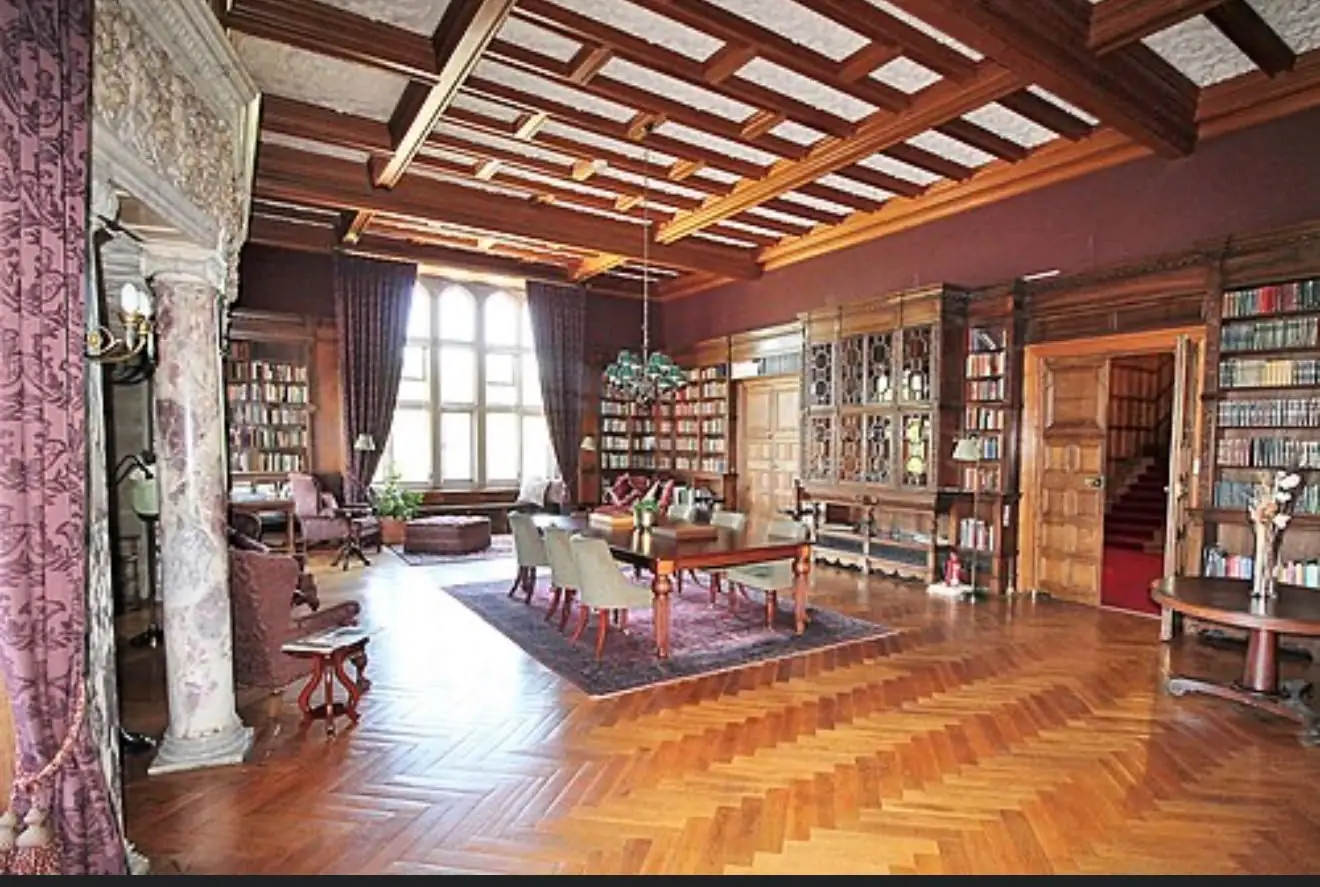
We manage Flete House at Holbeton in the South Hams, a Grade I listed country house now divided into 29 retirement apartments. That combination, an older resident group in a listed building, is exactly where the budget, the consultation and the communication with residents all need more care than usual.
For a retirement development we set the budget with the board or freeholder before the year starts, explain each line to residents, manage any on-site staff and the alarm contract, keep the communal facilities maintained, and run consultation in a way that suits residents who may prefer paper and a meeting to email. Fire safety needs the same care. Since 6 April 2026 the Fire Safety (Residential Evacuation Plans) (England) Regulations 2025 have required the responsible person in a block of at least 18 metres or seven storeys, or above 11 metres with a simultaneous evacuation strategy, to use reasonable endeavours to identify residents who cannot evacuate unaided and offer each a person-centred fire risk assessment. Our guide to residential PEEPs explains which blocks are in scope.
Sources
Everything above is taken from these, not from a summary of them:
- Landlord and Tenant Act 1985, section 19 legislation.gov.uk
- Landlord and Tenant Act 1985, section 20 legislation.gov.uk
- Landlord and Tenant Act 1987, section 42 legislation.gov.uk
- Fire Safety (Residential Evacuation Plans) (England) Regulations 2025 legislation.gov.uk
- Leasehold Reform, Housing and Urban Development Act 1993 (Approval of Code of Management Practice) (Private Retirement Housing) (England) Order 2016 legislation.gov.uk
Spotted something wrong, or something that has moved on? Email move@
Retirement Developments Questions
Why Is the Service Charge Higher in a Retirement Flat?
Because a retirement development funds more than an ordinary block: usually a house manager, an emergency alarm system, communal lounges and guest suites, and more intensive grounds maintenance, on top of insurance, repairs and the reserve fund.
Do Retirement Flats Pay Ground Rent?
Most new long leases of retirement homes granted since 1 April 2023 can only charge a peppercorn ground rent. Older leases currently keep the ground rent they were granted with, although the government has proposed capping existing ground rents.
What Is an Event Fee on a Retirement Flat?
A fee some older retirement leases charge when the apartment is sold or sublet, sometimes called an exit fee, transfer fee or deferred management fee. It should be set out in the management pack so a buyer knows before exchange.
Who Pays the Service Charge After a Resident Dies?
The lease continues after the leaseholder's death, so the service charge remains payable from their estate until the apartment is sold or transferred. Demands are then addressed to the executors or personal representatives.
Related Services
Managing Agent for Residents’ Management Companies (RMCs)
A residents' management company (RMC) is a company owned by the leaseholders of a block or estate that is responsible for running its shared parts.
Read moreStaff Management
In a staffed building the concierge is the first person a resident speaks to, and the cleaning team decides whether the place looks cared for on any given morning.
Read moreService Charges & Accounts
The budget is prepared before the year starts and apportioned according to the lease, not by any rule of ours.
Read moreLPE1 Management Packs for Leasehold Sales
Our LPE1 management pack costs £414 including VAT, or £480 on a fast track, and an FME1 for a managed freehold estate costs £240.
Read moreResidential Block Management
Blocks of flats managed for RMCs, RTM companies and freeholders across the South West: budgets, accounts, repairs, insurance and fire safety.
Read moreFurther reading
Where We Do This
From our Plymouth office, we provide block management in Plymouth and across the South West. Each area page sets out the authority, the fire and rescue service and the local building stock.
Talk to Us About Your Building.