
Estate Management Company in Plymouth for New‑Build Estates
As an estate management company run from Plymouth, we manage the shared land on housing developments, such as unadopted roads, open space, play areas and drainage, paid for by the homeowners through an estate charge. An estate is run from its transfer deeds as much as its leases. We read those first, then budget for the roads, open space and drainage the management company actually owns.
Proposals are for developments of 50 or more units. Smaller building? Talk to our team.
Last updated by the Plymouth Block Management team.
We manage residential estates for management companies, RTM companies, freeholders and developers across Devon, Cornwall, Dorset, Somerset, Bristol, Bath, Wiltshire and Gloucestershire, from our office in Plymouth. The work is the shared land and what sits on it: unadopted roads and footpaths, landscaped open space, play areas, drainage, street lighting and parking, funded by an estate charge set out in the deeds.
Where an estate has shops or offices alongside the homes, the costs have to be split between the commercial and residential parts in the way the deeds and leases allow; see mixed-use property management.
Who Our Estate Management Services Are For
We provide tailored estate management solutions for:
- Resident Management Companies (RMCs)
- Right to Manage (RTM) companies
- Freeholders and landlords, through our freehold management service
- Property developers handing over new estates
- Mixed-use residential communities
- Housing developments requiring ongoing residential block maintenance and repairs, and compliance
On a new estate the first job is establishing what has been adopted and what the management company will keep. On an established one it is checking that each charge can be traced to the deeds.
Why Professional Estate Management Matters
Problems on an estate commonly come from three places: infrastructure nobody budgeted for because it was assumed to be adopted, charges that cannot be traced to the deeds, and a reserve that was never built up.
A professional approach helps you:
Plan the long-term costs: Roads, lighting, play equipment and drainage features all wear out. A reserve fund planned against their replacement dates avoids a sudden one-off demand.
Show the basis of every charge: A budget set in advance, costs reported against it and invoices available on request answer most queries before they become disputes.
Keep the estate compliant: Risk assessments, play area and tree inspections, insurance and company filings are tracked with their due dates and the evidence kept on record.
Insure what the company owns: The management company usually insures the roads, open space and play areas it owns. We handle the renewals through a broker, take no commission on the cover and assist with claims on the estate policy; see insurance management.
Keep the company in good standing: Most estate management companies are limited companies, with a confirmation statement and accounts to file at Companies House every year. Our company secretarial service keeps those filings and the register of members up to date.
Why Choose Plymouth Block Management?
We manage residential blocks and estates from our office at Queen Anne's Battery in Plymouth. The company holds ISO 9001:2015 certification (BSI, certificate FS 685565) and is a member of The Property Ombudsman.
What Sets Us Apart
- Experience of both leasehold blocks and freehold estates paying an estate charge
- Dedicated property managers for consistent oversight
- Transparent reporting and financial accountability
- Contractors vetted before appointment, with no commission taken on their work
- Focus on long-term value, not short-term fixes
- Local knowledge of Plymouth and surrounding areas
When we take over from another agent, we ask for the deeds, the latest accounts, the reserve fund balance and the contractor agreements before the first budget is set.
What Makes an Estate Different from a Block
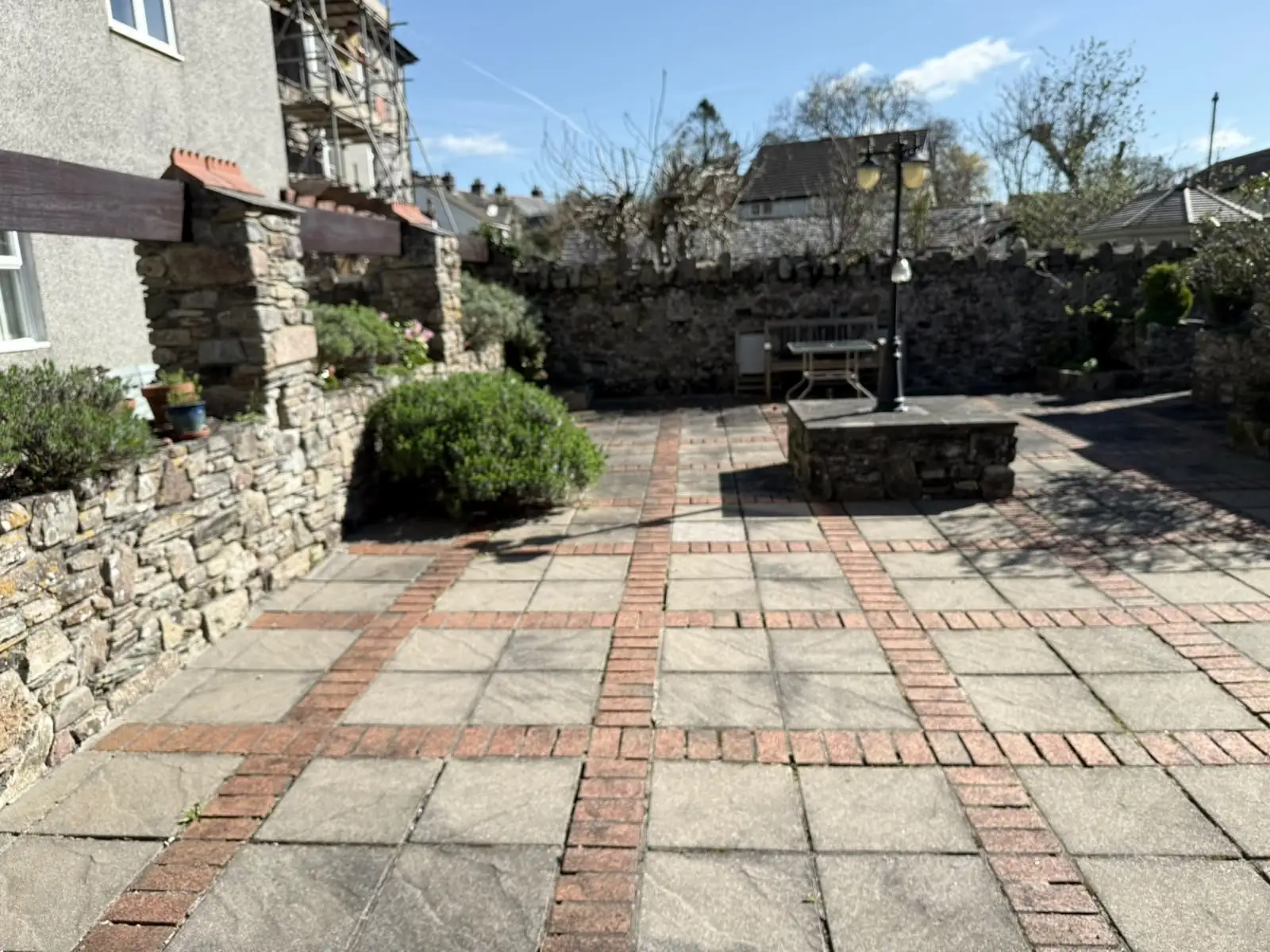
A block is one building held on leases. An estate is usually a development of houses, flats or both, where the homes are often freehold and the shared land is owned by a management company: roads and footpaths that have not been adopted, landscaped open space, play areas, drainage features such as attenuation ponds, street lighting and communal parking.
Because many owners are freeholders rather than leaseholders, their contribution is usually an estate charge set out in the transfer deeds rather than a service charge under a lease. The paperwork that governs what can be charged, and for what, is therefore different on every estate, and it is the first thing we read.
Unadopted Roads, Sewers and Adoption
On a new estate the developer normally intends some of the infrastructure to be adopted: roads by the highway authority under a section 38 agreement under the Highways Act 1980, and sewers by the water company under section 104 of the Water Industry Act 1991. Until adoption happens, and on estates where it never does, the cost of maintaining them falls on the management company and so on the residents.
In Plymouth, the city council's highways guidance says that roads offered for adoption under section 38 remain private until a final certificate of adoption is issued, and that until then maintenance and safety are the responsibility of the developer or owner. The council publishes a list of the roads currently covered by section 38 and section 278 agreements, and adopted roads are added to its Highway Register, so the status of any estate road in the city can be checked against both.
At handover we establish what has been adopted, what is still in the adoption process and what will stay private, together with the as-built drawings, maintenance schedules and any defects outstanding. That is what decides whether the estate budget is realistic from the first year or has a gap in it.
What an Estate Charge Pays For
An estate charge funds the shared land that no council or water company has taken on: unadopted roads and footpaths, landscaped open space and verges, play areas, attenuation ponds and other drainage features, street lighting and communal parking. It also pays for the things that keep that land running, such as public liability insurance, the management company's own accounts and filings, and a reserve for the items that wear out.
We set the estate budget from an inventory of what the company actually owns and what is still awaiting adoption, so that homeowners are charged for real assets and not for land that a council or water company should be maintaining.
Estate Rentcharges and Fleecehold
The obligation to pay usually comes from the transfer deed of each home. Some estates use a covenant to contribute, often backed by a deed of covenant on every resale; others use an estate rentcharge, a form of rentcharge that the Rentcharges Act 1977 allows to continue because it pays for services, maintenance or insurance that benefit the homes.
Freehold houses that pay an estate charge are sometimes called fleecehold. The term has no legal meaning, but the arrangement it describes is real: the homeowner owns the freehold of the house and still pays towards land owned by a management company.
Developer-Owned or Resident-Owned
An estate management company may be owned by the developer or a commercial operator, or by the homeowners themselves, often after the developer hands the company over once the estate is built. The handover is where most problems start: land not yet transferred, adoption agreements not completed, and budgets set when the estate was half built.
We act for resident-owned companies and for freeholders and developers, and at handover we establish what the company owns, what it is still waiting to be transferred, and what the estate will genuinely cost to run.
Rights for Homeowners Who Pay Estate Charges
Freehold homeowners on private estates have historically had far fewer rights than leaseholders when it comes to challenging charges, and GOV.UK's guidance on freehold estates still says homeowners currently have limited rights to challenge charges they do not consider reasonable. The Leasehold and Freehold Reform Act 2024 contains provisions to change that, including rights to information about estate charges and to challenge whether they are reasonable. As at October 2026 these provisions are not yet in force and depend on further regulations.
We already run estates the way those rules expect: a budget set in advance, costs reported against it, invoices available, and the basis of every charge traceable to the deeds. It means an estate we manage does not have to change how it works when the new rights arrive.
Frequently Asked Questions
What Does an Estate Management Company Do?
It owns or looks after the shared land on a development, such as unadopted roads, open space, play areas and drainage, and recovers the cost from the homeowners through an estate charge set out in the transfer deeds or leases.
What Is the Difference Between an Estate Charge and a Service Charge?
A service charge is paid by leaseholders under their lease, and statute already controls it, including the rule that costs must be reasonably incurred and Section 20 consultation on major works. An estate charge is usually paid by freehold homeowners under a covenant or estate rentcharge in their transfer deeds, and homeowners currently have far fewer rights to challenge it. Our guide to fleecehold vs leasehold compares the two in detail.
Do All New Builds Have Estate Management Fees?
No. An estate charge arises where shared land such as roads, open space or drainage has not been adopted by the council or water company and is owned by a management company instead. The obligation to pay is usually written into the transfer deed, so a buyer’s conveyancer should find it, and what it pays for, before exchange.
How Much Does Estate Management Cost?
There are two parts. The annual management fee is quoted for the estate, because it depends on the number of homes and the land and facilities involved, and is typically then a fixed amount agreed in advance. Taking on an estate also carries a one-off start-up fee from our published price list: £420 for up to 10 units, £540 for up to 25 units and £660 for 50 units and above, all including VAT.
Who Is Responsible for Estate Maintenance?
Whoever owns the shared land, usually the estate management company, is responsible for maintaining it, and the transfer deeds or leases say who must repair what. Roads and sewers that have been adopted pass to the highway authority and the water company.
Can We Change Our Estate Management Company?
Yes. The management company can appoint a new managing agent by giving notice under its current agreement. The incoming agent then collects the accounts, funds, deeds and contractor records from the outgoing one.
What Is Included in Estate Management Fees?
It depends on the transfer deeds, but estate charges usually cover grounds maintenance of open space and verges; repairs to unadopted roads, footpaths, street lighting and drainage; play area and tree inspections; insurance of the shared land; a contribution to the reserve fund; the management company’s accounts and filings; and the managing agent’s fee, which is one line in the budget rather than the whole charge.
Have Questions for Us?
Send us the transfer deeds or a sample lease and the latest estate accounts, and we will tell you what we would change and what our management fee would be.
Sources
Everything above is taken from these, not from a summary of them:
- Highways Act 1980, section 38 legislation.gov.uk
- Water Industry Act 1991, section 104 legislation.gov.uk
- Rentcharges Act 1977 legislation.gov.uk
- Leasehold and Freehold Reform Act 2024 legislation.gov.uk
- Plymouth City Council, Highways Developer Guidelines plymouth.gov.uk
- Plymouth City Council, Roads covered by Section 38 and Section 278 agreements plymouth.gov.uk
- GOV.UK, Freehold estates gov.uk
Spotted something wrong, or something that has moved on? Email move@
Service charge or accounts query? Email accounts@