
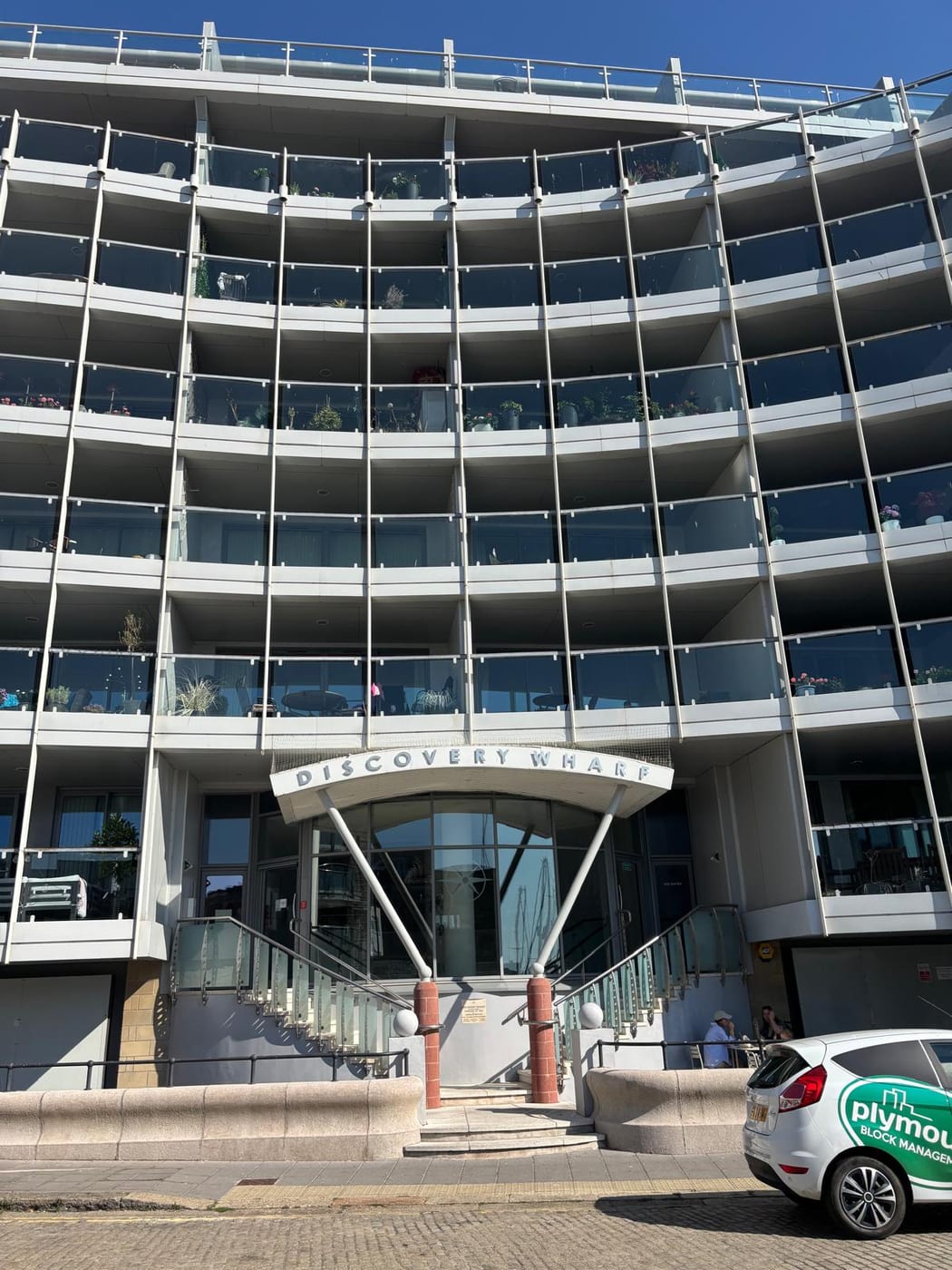
The Bath Building, 40 Bath Road
- The building
- A four-storey detached building constructed in the 1980s comprising 13 flats.
- What was applied for
- An appeal to the Upper Tribunal on one ground only: whether the cost of insurance against a terrorist incident was a recoverable head of expenditure under the lease.
- The figures
- Thirteen flats over four storeys, built in the 1980s. Eleven leaseholders were respondents. No premium amounts are stated anywhere in the judgment.
What Happened
The management company and eleven leaseholders challenged the service charge below, and the tribunal disallowed the terrorism element, holding the lease did not require it and that no discretion had been exercised, and that if it had been it was unreasonable, there being no evidence the town or the building was vulnerable.
What the Tribunal Held
Appeal allowed and the decision below described as unsupportable. The judge found that the covenant to insure against the usual comprehensive risks included insurance against terrorism by reference to the lenders' recommendations, and that the crux is that the obligation to insure against explosion includes insuring against a terrorist attack, the word explosion being given its ordinary meaning. The obligation is to insure against explosion, not against any particular method by which an explosion might be caused. In the alternative, the tribunal below was wrong to find no discretion had been exercised, four passages in the landlord's statements of case having expressly invoked it, and the exercise of a discretion so as to accord with the professional code is a reasonable exercise of discretion.
What it means for a block here. Where a lease requires insurance against explosion or the usual comprehensive risks in accordance with lender recommendations, terrorism cover is within the covenant, and a landlord that documents its decision and follows the professional code has exercised its discretion reasonably even without evidence of a local threat.