Fire Alarm and Emergency Lighting Testing
Not every block has a communal fire alarm, but every block with one, and every block with emergency lighting, has to keep it working and be able to prove it.
Who Is Responsible
Under the Regulatory Reform (Fire Safety) Order 2005, the responsible person for the common parts of a block of flats, usually the freeholder, the residents' management company or the right to manage company, must make sure that fire safety equipment provided there is maintained in efficient working order and good repair. In practice the managing agent arranges and records the testing on their behalf.
The duty covers what the building actually has. Many purpose-built blocks run a stay put strategy and have no communal fire alarm at all, while converted houses and blocks with simultaneous evacuation often do. The fire risk assessment is what says which applies.
Fire Alarm Testing
Where a block has a communal fire alarm, the British Standard for these systems, BS 5839-1, recommends a weekly test of a different manual call point in rotation, so that every call point is tested over time, and servicing by a competent person at least every six months. Each test and service is entered in a log book.
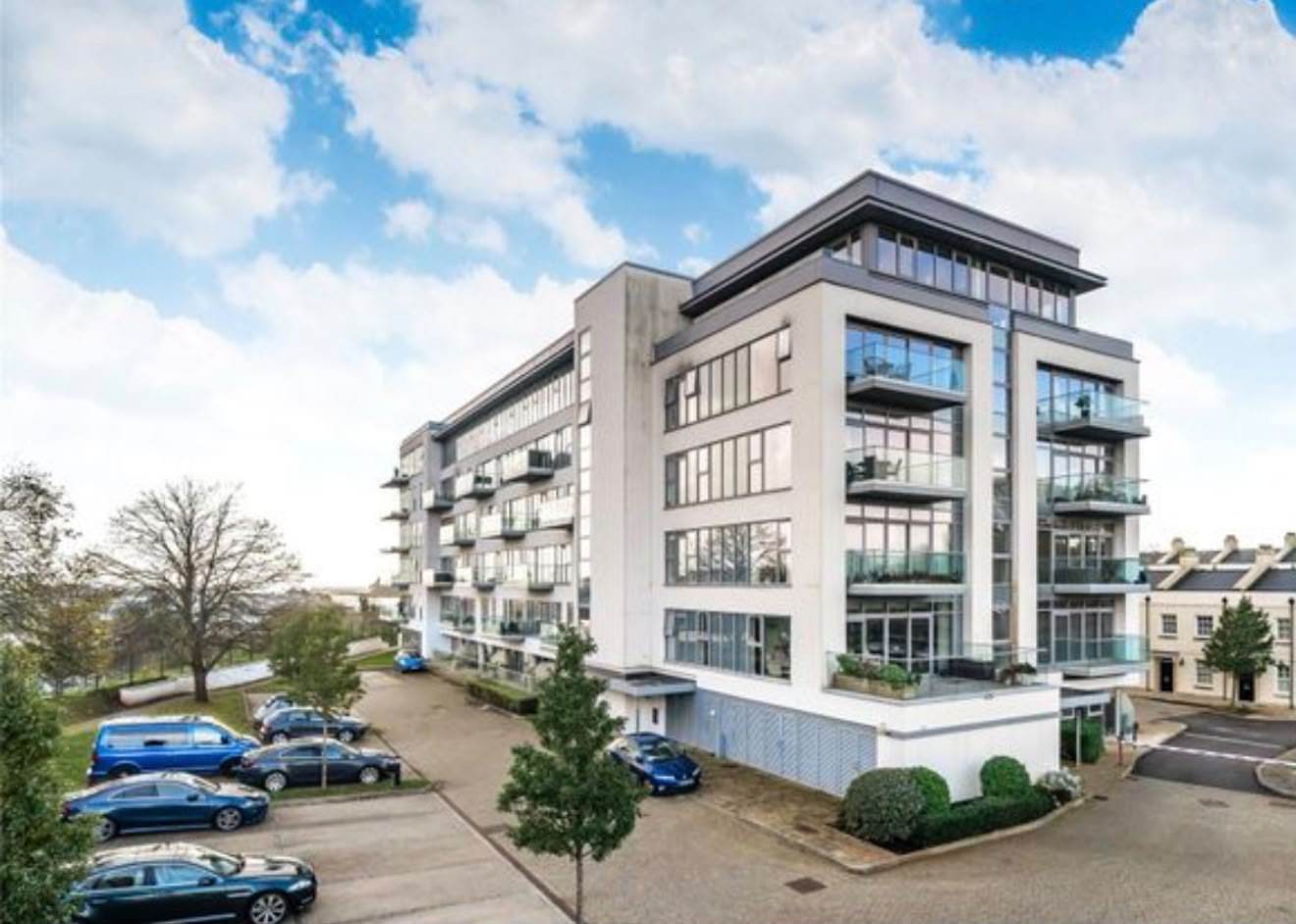
We carry out weekly fire alarm testing ourselves at Royal Albert Court in Saltash, one of the developments we manage, so a missed week is noticed rather than discovered at the next inspection.
Emergency Lighting Testing
Emergency lighting, which lights the escape route if the mains supply fails, is covered by BS 5266-1. It recommends a short functional test every month and a full-duration test, usually three hours, once a year, again with the results recorded.
Fittings that fail the annual test are a common finding. Batteries lose capacity over time, so a block that passes its monthly test can still fail the full-duration discharge.
Keeping the Record
A fire safety inspection by the fire and rescue service will ask to see the log book, the servicing certificates and the fire risk assessment, and will expect any significant findings to have been acted on. The record is also part of what a buyer's solicitor asks for in the management pack.
We keep the test records with the building's compliance file on our management platform, alongside fire door checks and the other statutory inspections, so directors and leaseholders can see what has been done and when.
Common Questions
How Often Should a Fire Alarm Be Tested in a Block of Flats?
Where there is a communal system, BS 5839-1 recommends a weekly test of one manual call point in rotation and servicing by a competent person at least every six months, with every test logged.
How Often Should Emergency Lighting Be Tested?
BS 5266-1 recommends a short functional test every month and a full-duration test, usually three hours, once a year, with the results recorded.
Do All Blocks of Flats Need a Fire Alarm?
No. Many purpose-built blocks operate a stay put strategy and have no communal alarm. The fire risk assessment for the building decides what it needs.
Related Pages
Compliance & Health & Safety
An annual health and safety risk assessment for every development, carried out by our own trained staff…
Read moreFire Door Inspections
Independent, qualified inspections from £15 + VAT per door.
Read moreBuilding Safety Consultancy
Independent advice for residential buildings under 11 metres.
Read more24-Hour Emergency Maintenance
Call 01752 257338 and select option zero. It is answered around the clock, and it is for genuine emergencies.
Read moreResidential Block Management
Blocks of flats managed for RMCs, RTM companies and freeholders across the South West: budgets, accounts…
Read more